
How to Budget for Custom Cabinetry Without Cutting the Wrong Corners?
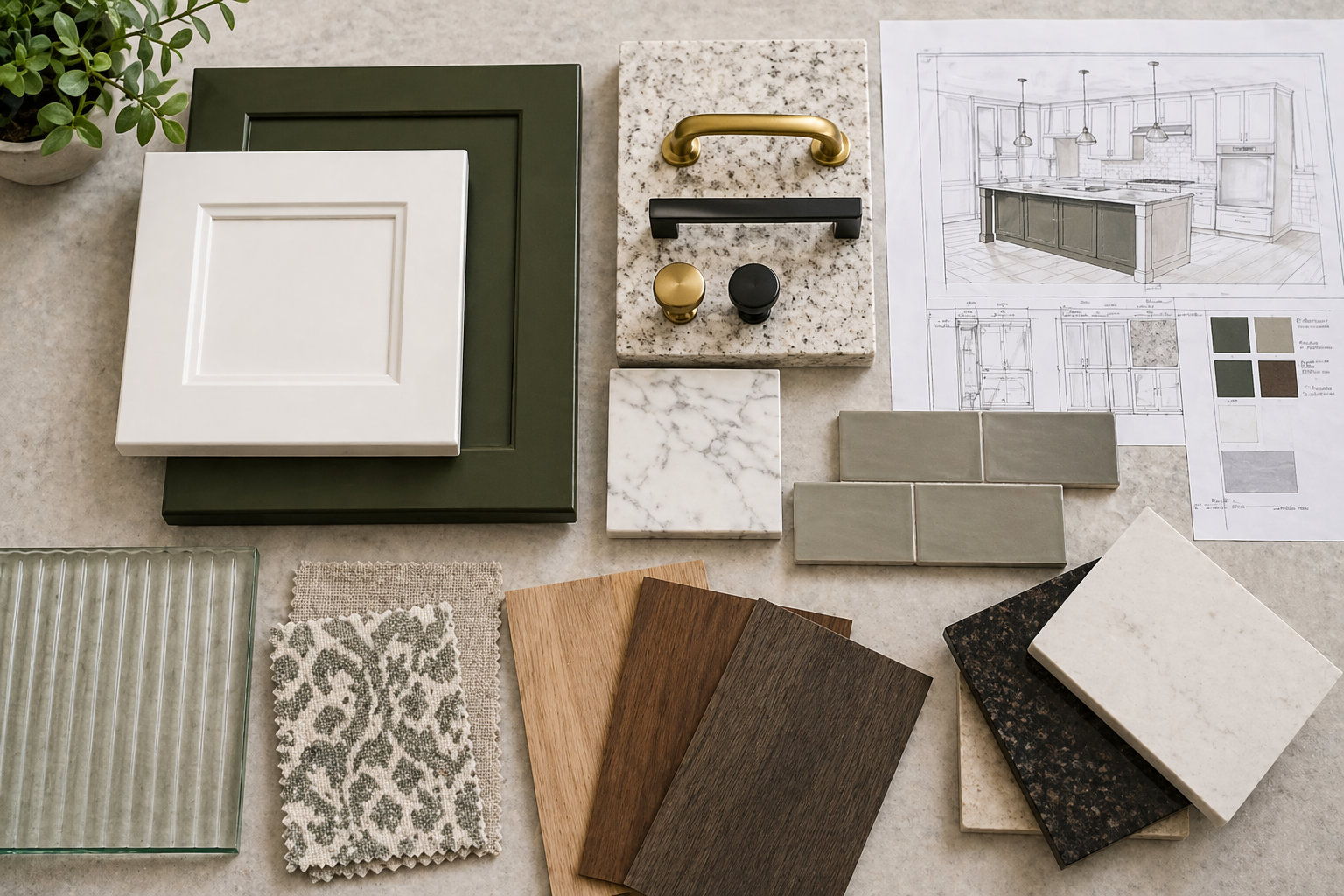
Budgeting for custom cabinetry is not just about finding the lowest number. It is about understanding where the money is going, what affects the cost, and which parts of the project deserve the most attention. A well-planned budget helps keep the work aligned with both the design goals and the practical realities of the space. Without that clarity, it becomes easy to overspend in the wrong places or underinvest in the areas that matter most.
One of the first things to understand is that cabinetry costs are shaped by several different factors. Material selection, finish type, hardware, construction method, layout complexity, and installation requirements can all influence the final price. That means two projects that look similar from the outside may carry very different budgets underneath. A clear budget conversation should account for those differences early so there are fewer surprises later.
A smart cabinetry budget usually starts with the parts that affect performance the most. Cabinet boxes, drawer construction, hardware, and finish quality often have more impact on day-to-day use than many clients realize. These are the areas where durability and precision can make a real difference over time. Investing thoughtfully here often leads to a better long-term result than spreading the budget too thin across less critical details.
It is also important to separate the visible features from the structural ones. A project may include decorative panels, specialty storage, or upgraded accessories, but those elements should be considered alongside the core build. If the foundation of the cabinetry is weak, high-end details will not carry the project very far. On the other hand, a strong build with a simpler finish can still feel refined and complete when the budget is managed well.
Another part of budgeting well is knowing where flexibility exists. Some clients may choose to spend more on a feature wall or kitchen island and keep secondary areas more restrained. Others may prioritize better drawer systems or premium finishes over added complexity. There is no single right answer. The best budget is the one that reflects how the space will actually be used and what the client wants the cabinetry to accomplish.
Communication also plays a major role in keeping the budget on track. Clear scope, realistic expectations, and timely decisions all help reduce the risk of changes that can affect cost. When the project is well defined from the start, it becomes easier to make informed choices rather than reactive ones. That kind of clarity helps the process feel more controlled and less stressful.
At Trailblazer Woodworks, budgeting is approached as part of the planning process, not just the final number. The goal is to help clients make informed decisions that support the design, the function, and the long-term value of the work. A good cabinetry budget should not force unnecessary compromise. It should help direct the investment toward the parts of the project that will matter most once the work is complete.
