
Designing a Bathroom Vanity That Balances Style and Storage
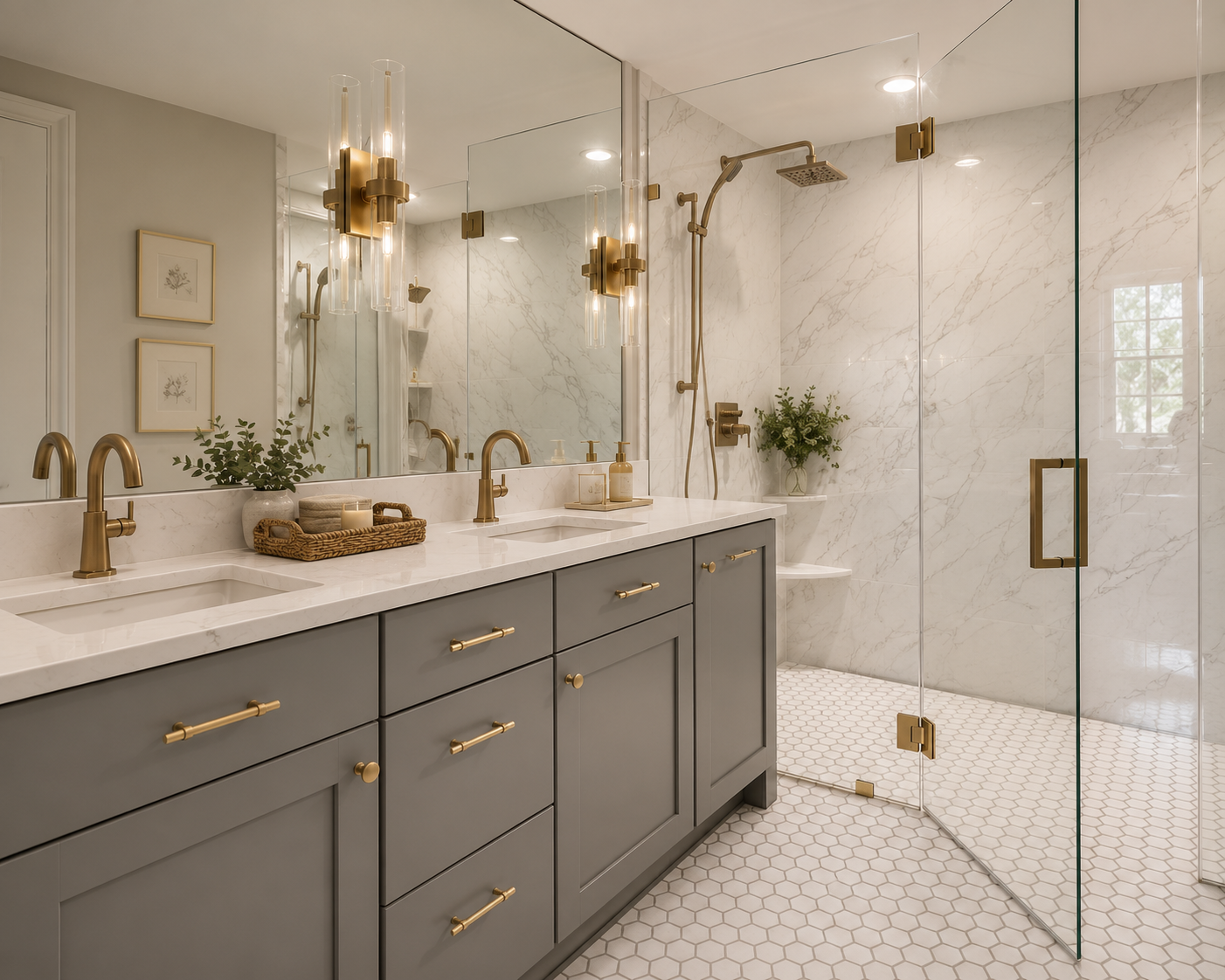
A bathroom vanity carries more design weight than its size would suggest. It is often the focal point of the room, the first thing seen upon entry, and at the same time it needs to absorb the daily clutter of toiletries, grooming tools, and linens without looking disorganized. Striking the right balance between visual impact and genuine storage function is what separates a vanity that photographs well from one that actually works for the people using it every day.
The first consideration in vanity design is sink configuration, since it determines the underlying cabinet structure. A single-sink vanity offers more flexibility for storage, since the plumbing only interrupts one section of the cabinet interior, leaving more room for drawers and shelving elsewhere. Double-sink vanities split that available storage between two users, which makes thoughtful zoning even more important so each person has dedicated space rather than competing for the same drawer.
Drawer configuration deserves more attention than it typically receives in vanity design. Deep drawers near the bottom work well for hair tools and larger items, while shallow upper drawers are better suited to smaller daily essentials like skincare products or jewelry. Many custom vanities now incorporate built-in dividers or felt-lined inserts within drawers, turning a simple storage compartment into an organized system that keeps small items from sliding around every time the drawer opens.
Knee space beneath a vanity, often overlooked in early planning, has a meaningful impact on comfort, particularly for households that want seated access for grooming tasks. Building in a designated open knee space, even within an otherwise fully cabineted vanity, requires planning the cabinet layout around that gap from the start rather than trying to retrofit it later in the process.
Material and finish choices in a bathroom vanity face different demands than kitchen cabinetry, primarily due to consistent moisture exposure. Finishes need to resist water damage, warping, and the kind of daily humidity that bathrooms generate even with good ventilation. This is an area where quality construction and proper sealing matter as much as the visual finish, since a vanity that looks beautiful on installation day but warps within a year has failed at its primary job.
Countertop and backsplash integration also shapes the overall vanity design, particularly around how the cabinetry meets the counter edge and how backsplash height is handled. A vanity designed in isolation from these decisions often ends up with awkward proportions or mismatched reveals once everything is installed together, which is why these elements should be planned as a single cohesive system rather than separate selections.
At Trailblazer Woodworks, vanity design starts with how the bathroom will actually be used, by whom, and how often, before a single drawer configuration is finalized. The result is a vanity that holds up to daily bathroom humidity and use while still serving as the refined focal point the room deserves.
