
How Cabinetry Design Affects Home Resale Value: What Buyers Actually Notice
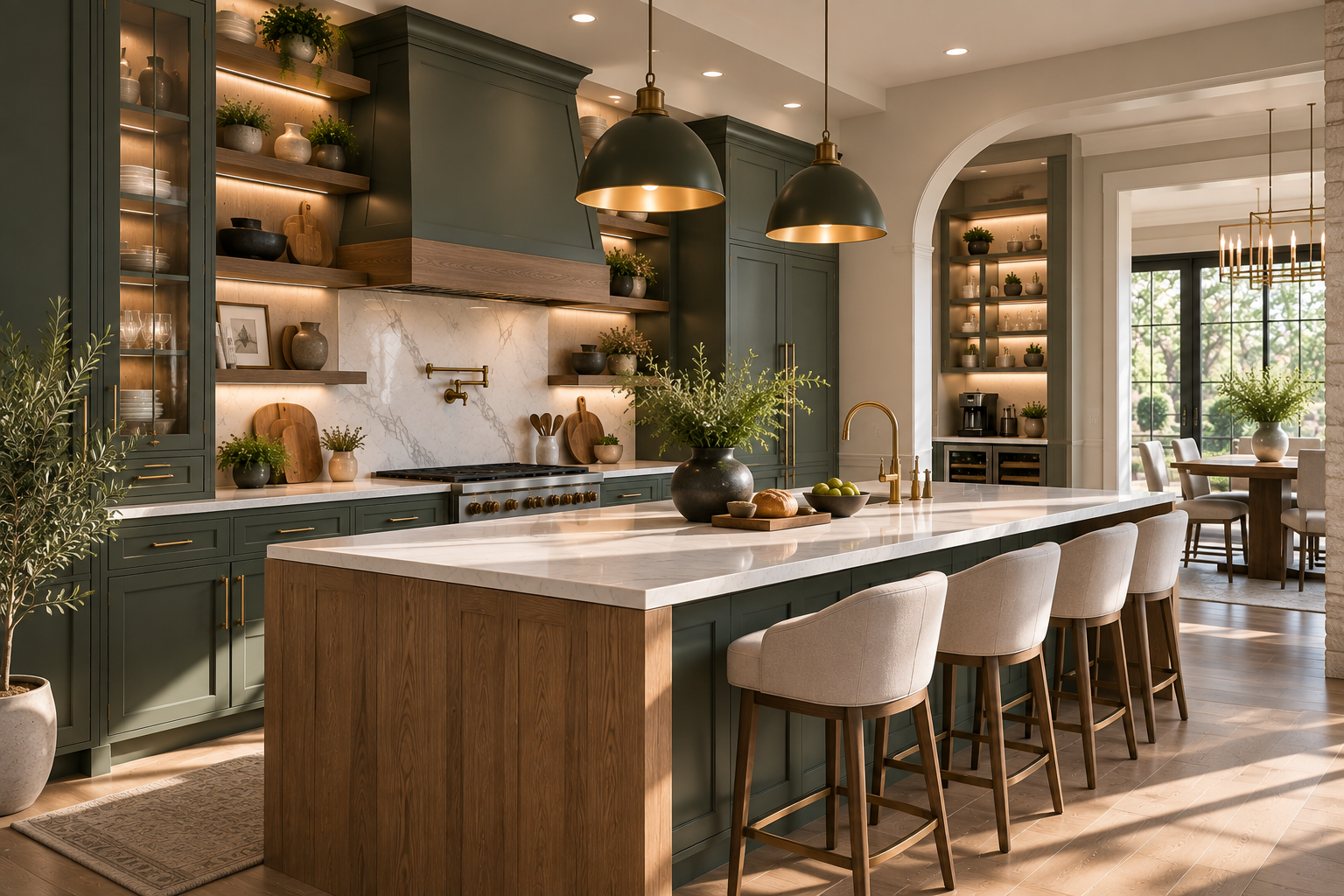
Kitchen and bathroom cabinetry occupy a unique position in the hierarchy of home features that influence resale value, because they are simultaneously one of the most expensive elements of a home to replace and one of the first things a prospective buyer forms an opinion about during a showing. Unlike paint color or light fixtures, which buyers can mentally update quickly and inexpensively, cabinetry feels permanent in a way that shapes the overall impression of a home's quality before a buyer has consciously evaluated anything else. Understanding how cabinetry decisions affect that impression, and which investments tend to translate most directly into buyer perception and resale return, helps homeowners make more informed choices about when and how to invest in their cabinetry.
First impressions in a kitchen happen within seconds and are shaped almost entirely by visual cues that buyers process before they open a single drawer or cabinet door. Door style consistency, finish uniformity, hardware alignment, and the overall sense of whether the cabinetry looks intentional and well-maintained communicate a quality signal that sets the tone for everything that follows in a home showing. A kitchen where the cabinetry looks cohesive, well-proportioned, and in good condition creates an immediate impression of a well-cared-for home, while one where the cabinetry shows visible wear, misalignment, or dated design creates a remediation calculation in the buyer's mind that affects their perception of the entire property.
Condition matters more than style in most resale scenarios, which is a distinction worth understanding clearly before making cabinetry investment decisions with resale in mind. A kitchen with classic, well-maintained cabinetry in good structural and cosmetic condition will consistently outperform one with more fashionable cabinetry that shows significant wear, finish deterioration, or functional problems like sagging doors and stuck drawers. Buyers can mentally update a style they find slightly dated far more easily than they can ignore cabinetry that communicates deferred maintenance, which means keeping existing cabinetry in excellent condition often delivers stronger resale impact than replacing it with a trendier alternative in lesser condition.
Layout functionality is a dimension of cabinetry's resale impact that operates below the level of conscious evaluation for most buyers but influences their emotional response to a kitchen significantly. A kitchen layout that flows naturally, provides adequate counter surface adjacent to the cooking zone, and offers storage that appears well-organized and sufficient for normal household needs feels right to buyers in a way they often describe as the kitchen just working. A layout with obvious functional problems, including inadequate storage, poor workflow between the sink and cooking surface, or an island that crowds the surrounding space, creates a subtle but persistent sense of dissatisfaction that buyers carry through the rest of the showing regardless of how attractive the cabinetry itself may be.
Storage capacity and organization features are among the specific cabinetry details that buyers notice and respond to positively during showings, particularly in competitive markets where buyers are comparing multiple properties. Deep drawer bases for pots and pans, pull-out pantry systems, well-organized interior storage, and dedicated spaces for small appliances all communicate that the kitchen was designed thoughtfully rather than simply built to a minimum standard. These features are easy to highlight during a showing and tend to generate positive comments that reinforce the buyer's overall impression of the home's quality and liveability.
Bathroom cabinetry carries similar resale weight to kitchen cabinetry, particularly in primary bathrooms where buyers spend meaningful time during a showing evaluating the space as a personal retreat rather than purely a functional room. A primary bathroom vanity that looks custom, provides adequate storage for two users, and presents a cohesive design relationship with the surrounding tile, countertop, and fixtures creates a spa-like impression that is one of the stronger emotional selling points in any home showing. Conversely, a primary bathroom with dated, worn, or poorly organized vanity cabinetry undermines what could otherwise be a strong selling feature regardless of how well the rest of the bathroom is appointed.
At Trailblazer Woodworks, cabinetry projects are designed with the full arc of a home's life in mind, including the resale scenarios that homeowners may not be thinking about at the time of installation but will inevitably face at some point in the future. Quality construction, timeless design choices, and finishes that hold up well over years of daily use are not just the right approach for living well in a home today but the right approach for presenting it compellingly to buyers when the time comes to sell.