
Sustainable Wood Sourcing and Eco-Friendly Cabinetry: What to Ask Your Cabinet Maker
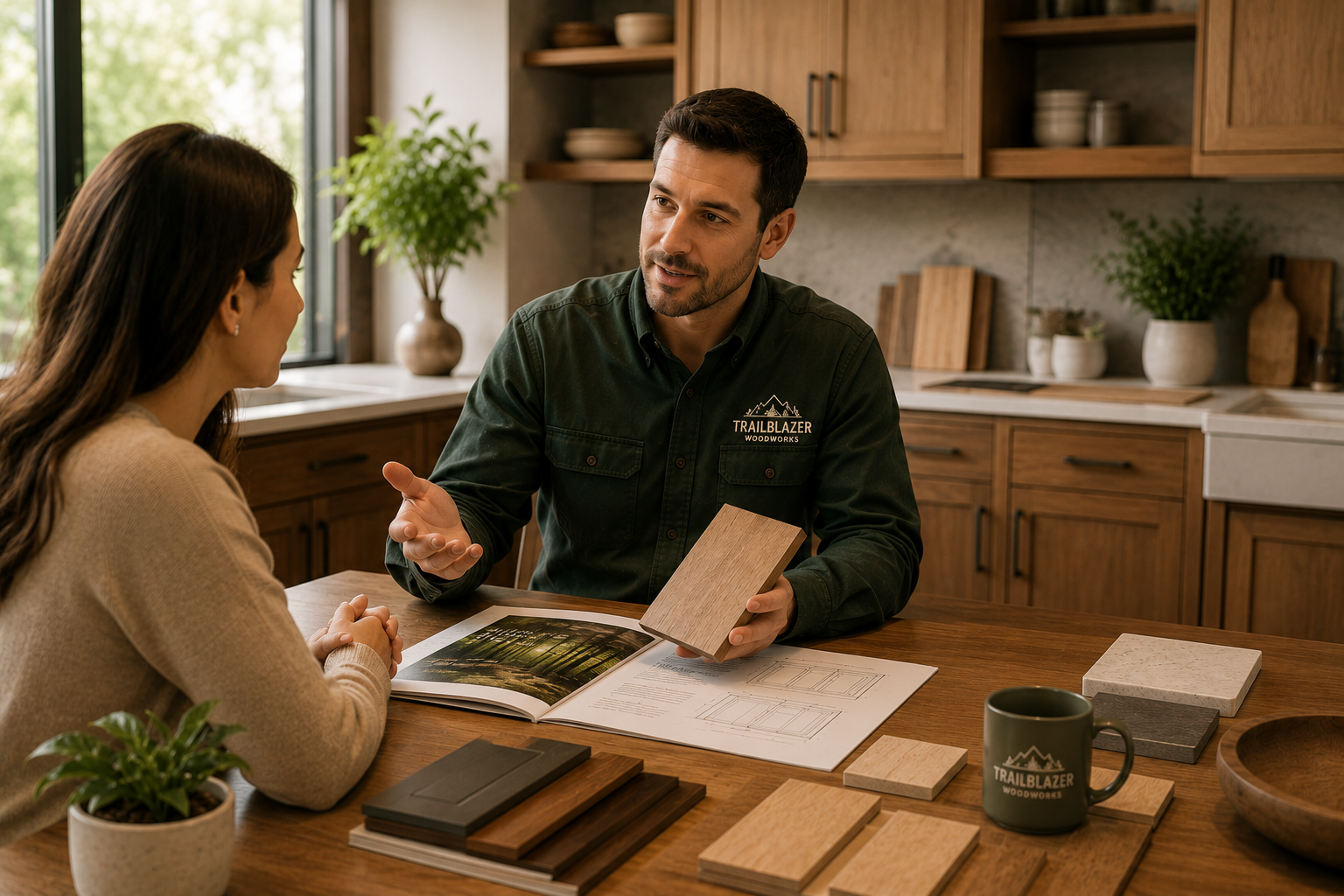
Environmental consciousness has become an increasingly important dimension of home renovation decision-making, and custom cabinetry is an area where the choices made around materials, finishes, and sourcing have genuine environmental implications. A kitchen full of cabinetry represents a significant volume of wood, sheet goods, adhesives, and finishing products, all of which have upstream environmental impacts that vary considerably depending on how and where they were produced. Homeowners who care about making responsible material choices have more options available to them than ever before, but navigating those options requires knowing the right questions to ask and what the answers actually mean.
Forest Stewardship Council certification, commonly referred to as FSC certification, is the most widely recognized standard for responsibly sourced wood products in the cabinetry industry. Wood and wood products carrying the FSC label have been independently verified to come from forests managed according to environmental, social, and economic standards designed to protect biodiversity, prevent illegal logging, and ensure that harvesting does not outpace the forest's ability to regenerate. Asking a cabinetry partner whether they source FSC-certified lumber or sheet goods is a straightforward starting point for understanding their commitment to responsible material sourcing.
Formaldehyde emissions from sheet goods are a less visible but genuinely important environmental and indoor air quality consideration in cabinetry construction. Many standard plywood and MDF products are manufactured using urea-formaldehyde adhesives that off-gas into the home environment, particularly in the months following installation. CARB Phase 2 compliant and ULEF, or ultra-low-emitting formaldehyde, sheet goods offer significantly reduced emissions, and some manufacturers now produce formaldehyde-free alternatives that eliminate the concern entirely. Specifying these materials adds a modest cost premium but delivers a meaningfully healthier interior environment, particularly in kitchens and bathrooms where cabinetry covers a large surface area.
Low-VOC and water-based finishes represent the most significant finish-related opportunity for reducing the environmental impact of a cabinetry project. Traditional solvent-based lacquers and conversion varnishes contain volatile organic compounds that contribute to air pollution during application and continue off-gassing into the living environment after installation. Water-based finish alternatives have improved dramatically in recent years in terms of durability and appearance, making them a genuinely viable option rather than an environmental compromise that trades performance for responsibility.
Reclaimed wood introduces a different dimension of sustainability to cabinetry design, using material that has already been harvested and processed rather than drawing on new timber resources. Reclaimed barn wood, salvaged industrial timbers, and recovered urban lumber each bring distinctive character, grain patterns, and aging marks that new wood cannot replicate, making them appealing both for their environmental credentials and their aesthetic uniqueness. Working with reclaimed material requires more preparation and skill than standard lumber, which is reflected in the time and cost involved, but the result is cabinetry with a genuine story embedded in the material itself.
Durability is perhaps the most underappreciated dimension of sustainable cabinetry, because a cabinet built to last thirty years consumes far fewer resources over its lifetime than one replaced every decade. Investing in quality construction, premium materials, and durable finishes is therefore not just a performance decision but an environmental one. The most sustainable cabinetry is the cabinetry that does not need to be replaced, which means that the same choices that deliver long-term value to a homeowner also deliver long-term environmental benefit by keeping quality materials in service rather than in a landfill.
At Trailblazer Woodworks, sustainable material choices are available across every project tier, from FSC-certified lumber and low-VOC finishes to reclaimed wood applications for homeowners who want both environmental responsibility and distinctive character in their cabinetry. The right conversation starts with understanding what matters most to each homeowner and building a specification that honors both their design vision and their values.
