
How to Prepare for a Cabinet Installation Without Delaying the Project?
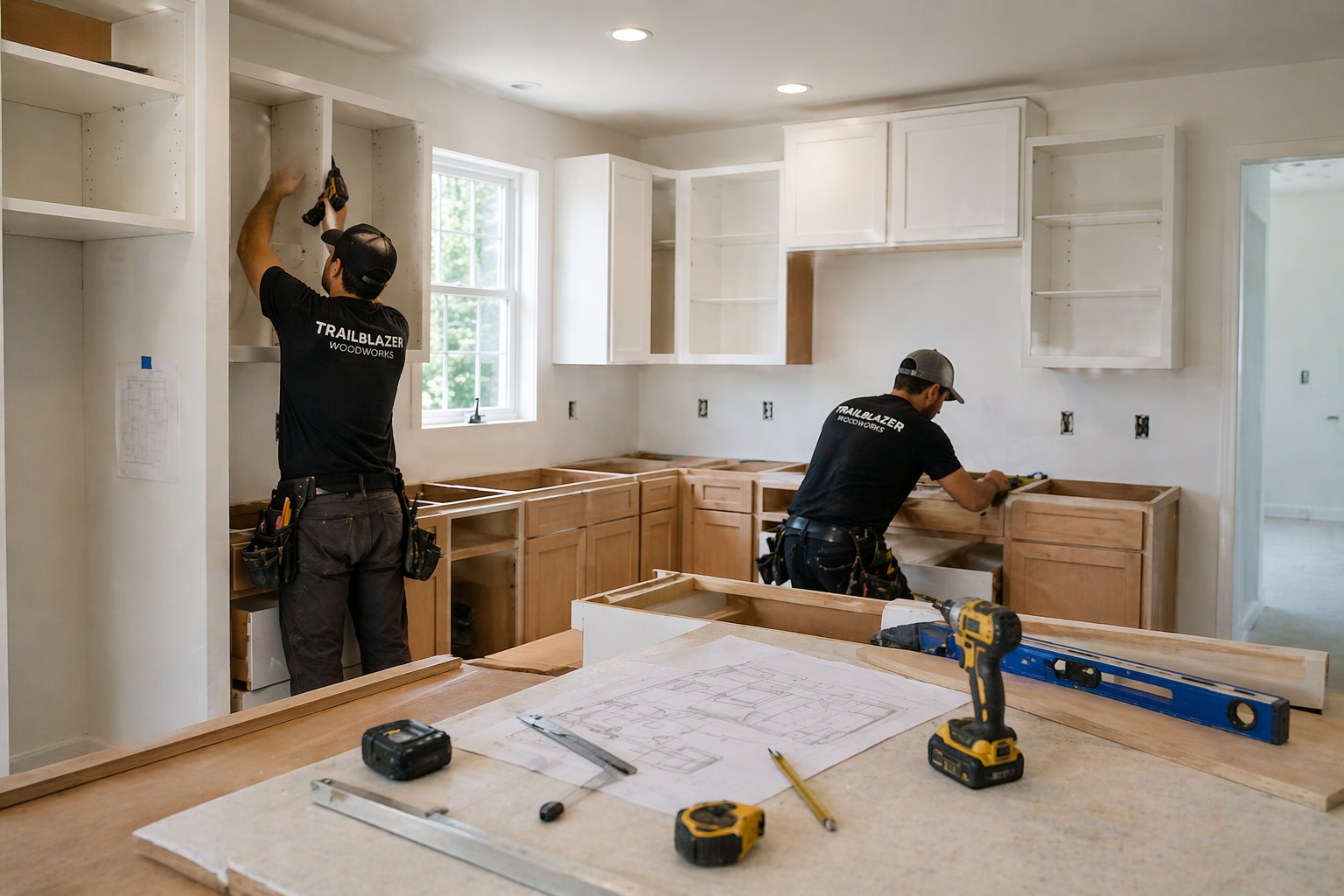
Cabinet installation is one of the most important stages in a renovation, but it is also one of the easiest places for delays to show up if the space is not ready. Even when the cabinetry itself is complete, the project can still be slowed by unfinished prep work, missing decisions, or coordination issues with other trades. That is why preparation matters just as much as the installation day itself. When the room is ready, the work can move with more efficiency and fewer interruptions.
The first step in preparing for cabinet installation is making sure the room is actually ready to receive the cabinetry. That means walls should be properly finished, flooring decisions should be confirmed, and any rough-in work for plumbing or electrical should already be addressed. If those details are still in progress, the cabinetry may have to wait, even if everything else is on schedule. A clean install depends on a clean starting point.
It is also important to finalize the project details before installation begins. Cabinet specifications, appliance dimensions, hardware choices, and finish selections should all be settled well in advance. Small changes made too late can affect openings, clearances, or alignment, and those adjustments often require more time than most clients expect. The more complete the information is before install day, the smoother the process tends to be.
Another part of preparation is understanding how cabinetry fits into the larger project sequence. Cabinet installation rarely happens in isolation. It usually sits between other important steps, such as demolition, flooring, plumbing, electrical, and countertop templating. If those pieces are not coordinated properly, the cabinetry may be forced to pause while another trade finishes its part of the work. Clear sequencing helps protect both the schedule and the quality of the final result.
Communication with the cabinet team is also essential. If there are questions about dimensions, site conditions, or install timing, those should be addressed early rather than at the last minute. A good cabinetry partner can help identify potential issues before they turn into delays. That kind of proactive communication helps the project stay organized and reduces the chance of avoidable setbacks once work is underway.
Preparation also includes making practical space for the installers to work. The area should be accessible, the path into the room should be clear, and any items that could interfere with the process should be removed. These details may seem minor, but they help keep the installation focused and efficient. A well-prepared site gives the team room to work carefully and correctly.
At Trailblazer Woodworks, preparation is viewed as part of the quality process, not just a checklist item. The goal is to help the project move in a way that feels coordinated, predictable, and respectful of everyone’s time. When the room is ready, the details are finalized, and the sequence is clear, cabinet installation becomes much more efficient. That is how a project moves from being simply on site to actually moving forward well.
