
From Blueprint to Installation: Understanding the Custom Cabinetry Process Start to Finish
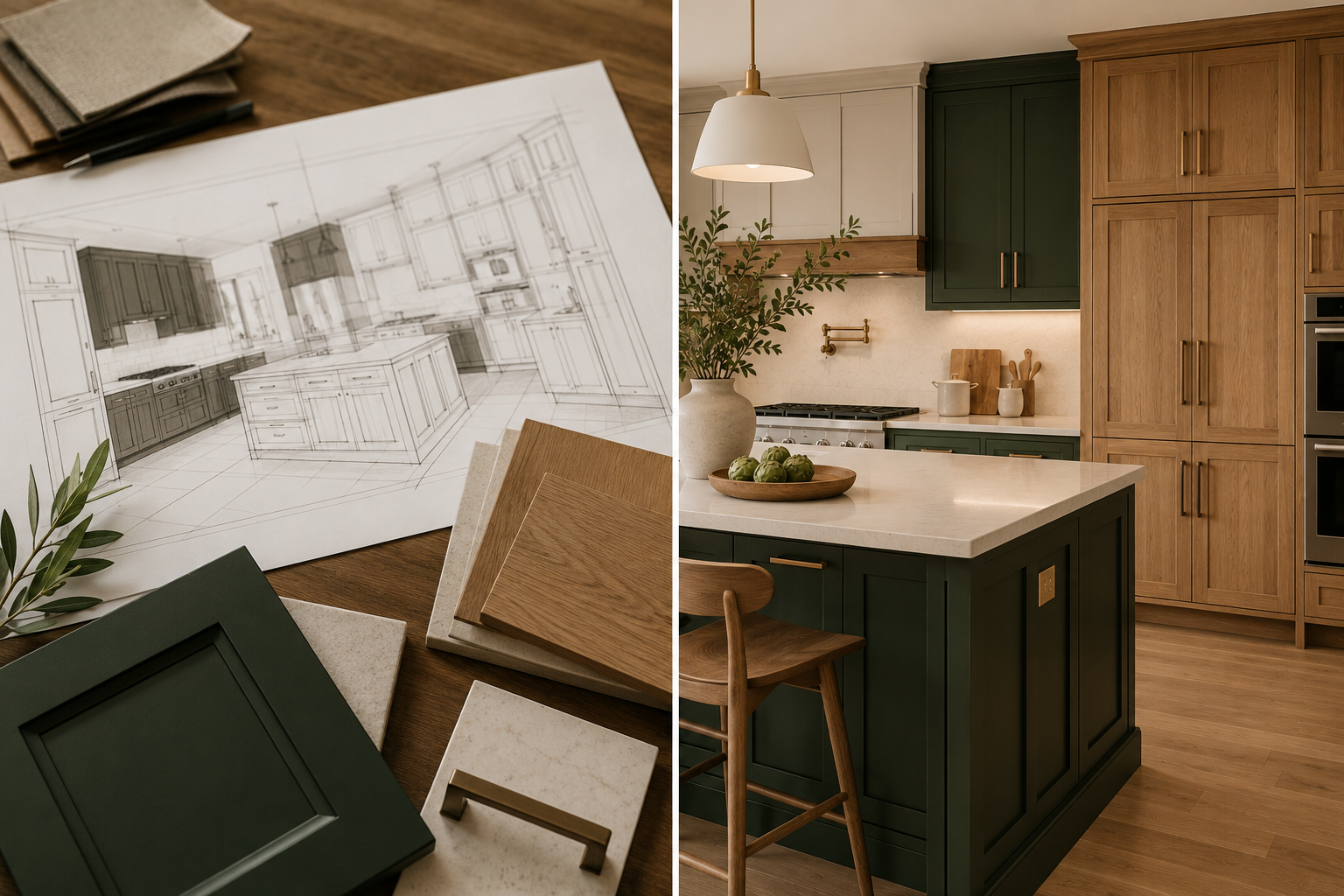
Investing in custom cabinetry is one of the more significant decisions a homeowner makes during a renovation or new build, yet the process behind how those cabinets go from an initial conversation to a finished, installed kitchen is one of the least understood parts of the entire project. Many homeowners arrive at their first design meeting with a general sense of what they want but very little context for how the work actually unfolds, how long each phase takes, or what decisions they will need to make along the way. Understanding the full arc of the process from the beginning makes for a smoother project and a better result.
The process begins with a design consultation, which is both a discovery conversation and a practical assessment of the space. A skilled cabinetry designer will ask about how the kitchen or room is currently used, what is working and what is not, what aesthetic direction the homeowner is drawn toward, and what budget parameters the project needs to work within. Measurements of the existing space are taken with precision, noting ceiling heights, window and door placements, plumbing and electrical locations, and any architectural irregularities that will need to be addressed in the design. This information becomes the foundation for everything that follows.
The design phase translates that initial conversation and those measurements into a detailed layout, typically presented as a combination of floor plans, elevations, and three-dimensional renderings that allow the homeowner to visualize the finished result before any material is ordered or cut. This is the phase where door styles, wood species, finish colors, hardware selections, and interior storage configurations are finalized. It is also the phase where changes are least expensive to make, since adjusting a line on a drawing costs nothing compared to modifying a cabinet that has already been fabricated.
Once the design is approved and the project is signed off, material ordering and shop fabrication begin. Sheet goods, solid wood components, and hardware are ordered to the project specifications, and the cabinet boxes, door fronts, and drawer components begin moving through the production process. CNC cutting, assembly, sanding, and finishing each represent distinct stages within fabrication, and the timeline for this phase varies depending on the complexity of the project and the shop's current production schedule. This is the phase where the precision of the design work pays off, since every cut is made to the exact dimensions established during the design process.
Finishing is one of the most time-sensitive phases of the fabrication process, requiring controlled temperature and humidity conditions for proper application and curing. Painted finishes typically require multiple coats with sanding between each application, while stained finishes require careful preparation of the wood surface to ensure even color absorption across every component. The quality of the finish environment and application process during this phase determines how the cabinetry will look and how long that appearance will hold up under daily use, which is why professional shop finishing consistently outperforms field-applied alternatives.
Delivery and site preparation mark the transition from the shop to the job site, and the coordination between these two phases is critical to keeping the project on schedule. The job site needs to be ready to receive cabinetry before delivery occurs, meaning flooring, drywall, and any plumbing or electrical rough-in work that affects cabinet placement should be complete before the first box arrives. A professional installation team will assess the site conditions before beginning, establishing reference lines for level and plumb that serve as the guide for the entire installation sequence.
At Trailblazer Woodworks, every phase of the custom cabinetry process is managed with the same attention to detail and communication, because a homeowner who understands what is happening at each stage is a better partner throughout the project. From the first design conversation to the final hardware adjustment on installation day, the goal is a process that feels as considered and intentional as the finished cabinetry it delivers.
